

How Meliá Hotels International transformed their compliance training
Compliance training doesn’t have to feel like a checkbox. It needs to be dynamic and engaging. See how Meliá Hotels International transformed their training with Attensi Comply.
 73%increase in competence
 90%+completion rate
 80%training satisfaction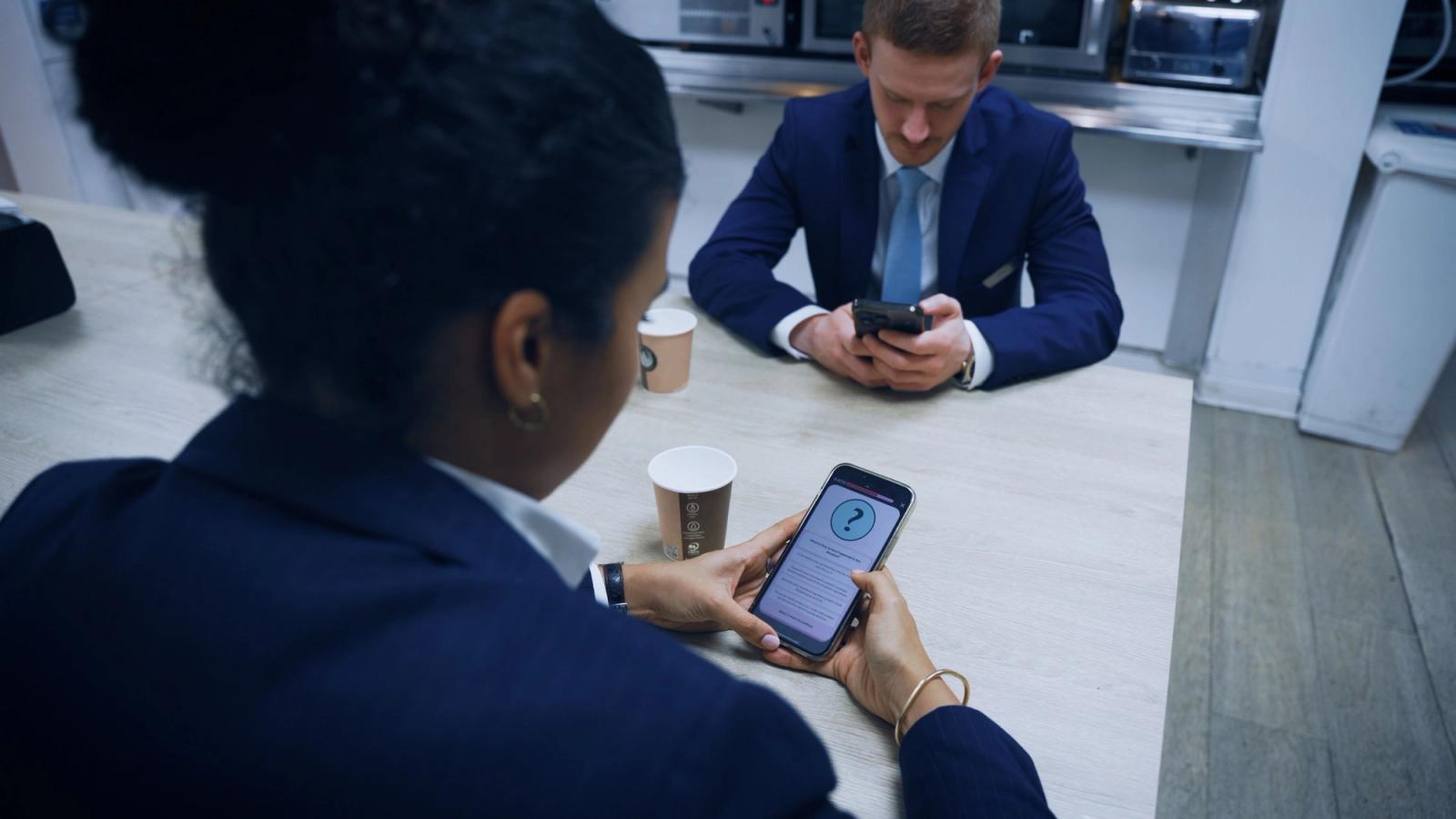
Traditional training wasn't working
The hospitality industry moves fast. Every guest interaction matters, every detail counts, and every team member plays a critical role in delivering safe, seamless service. With high turnover, young first-time employees, diverse teams, and constant operational pressure, effective training isn't a nice-to-have, it's the foundation that keeps guests safe and operations running smoothly.
But that foundation only holds if the training keeps up. And no matter how strong the values or how committed the team, falling behind isn't a risk hospitality can afford — not when guest safety is on the line.
"Old training methods were not working."
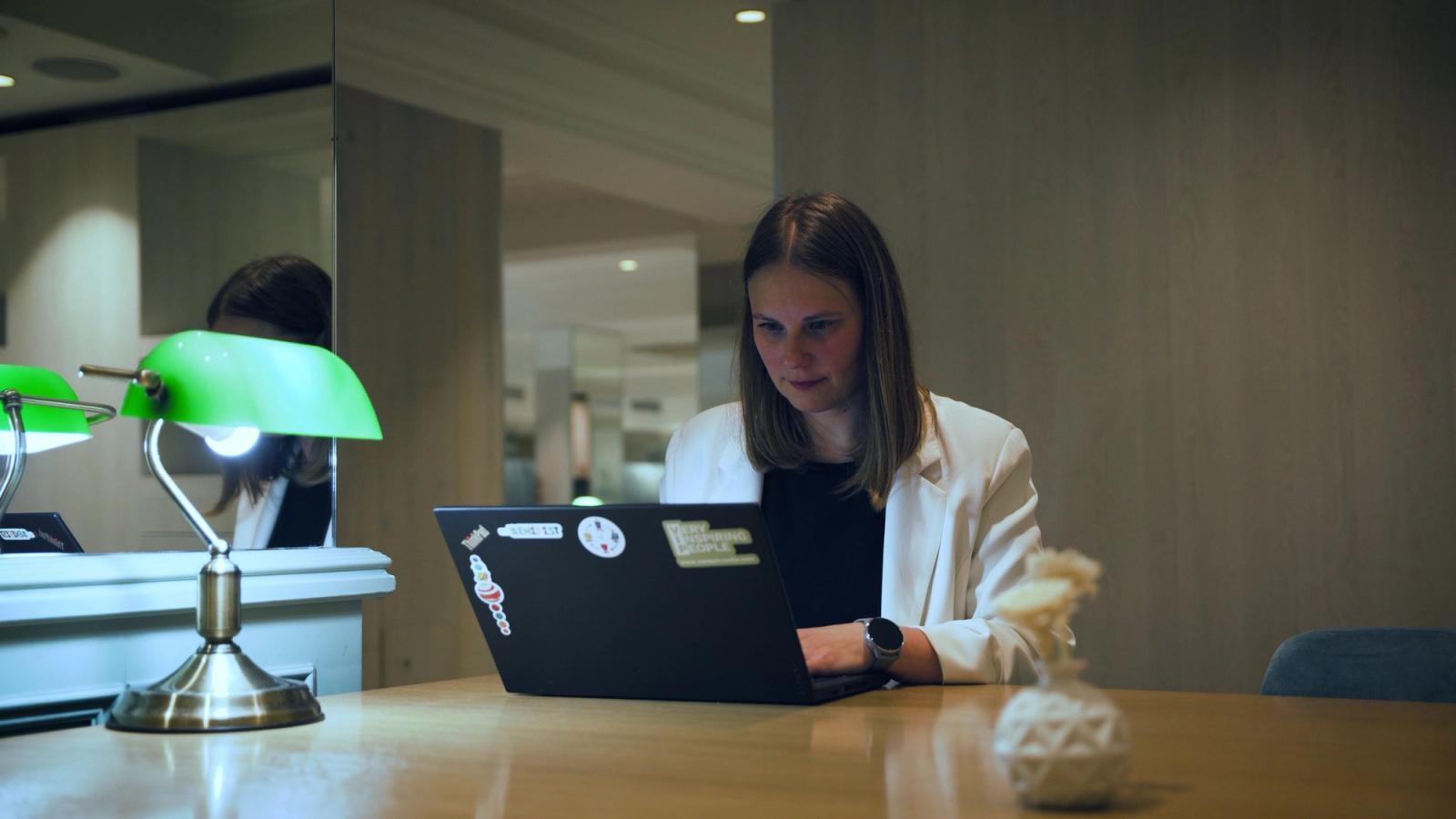
Despite strong values and a committed workforce, Meliá faced challenges shared across the hospitality sector. Static, slide-based e-learning wasn't built for how hospitality teams actually work or how they learn.
- Completion rates in training were as low as 20% in some departments
- Young, first-time employees disengaged from static modules
- Staff constantly on the move with no time for long, linear training
- Allergens, fire safety, food hygiene - zero-margin topics where knowledge has to be instinct, not a memory test
- Generational and cultural diversity making one-size-fits-all approaches ineffective
"If even one person on the team isn't fully committed to keeping things smooth, safe, healthy, and efficient, the whole process is affected. That's when gaps appear — and that's when mistakes happen."
Compliance training built for real people
To transform their approach to training, Meliá implemented Attensi Comply.
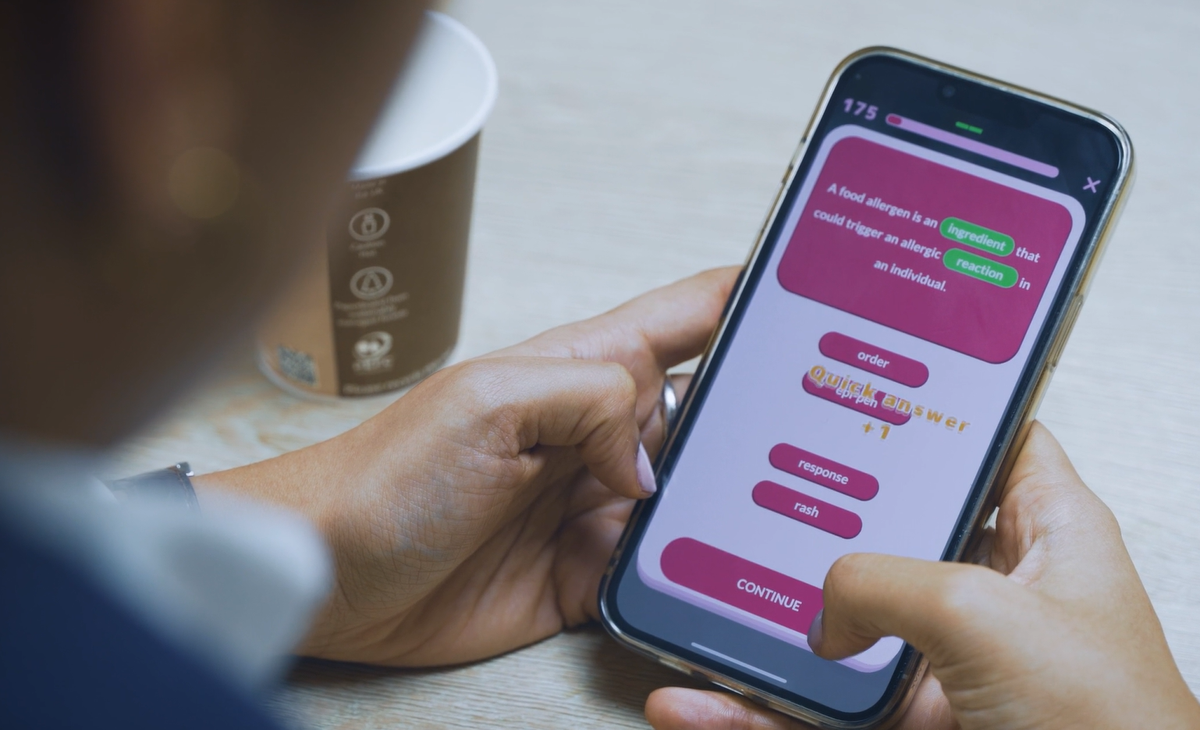
Visual, scenario-based
Mirrors the pace and pressure of real tasks, so practice feels like the job itself.
Gamified for generations
Game mechanics motivate both 16-year-old first-time workers and experienced managers alike.
Realistic simulations
Scenarios reflect real daily challenges, so when the moment comes, the response is instinct.
Any device, any time
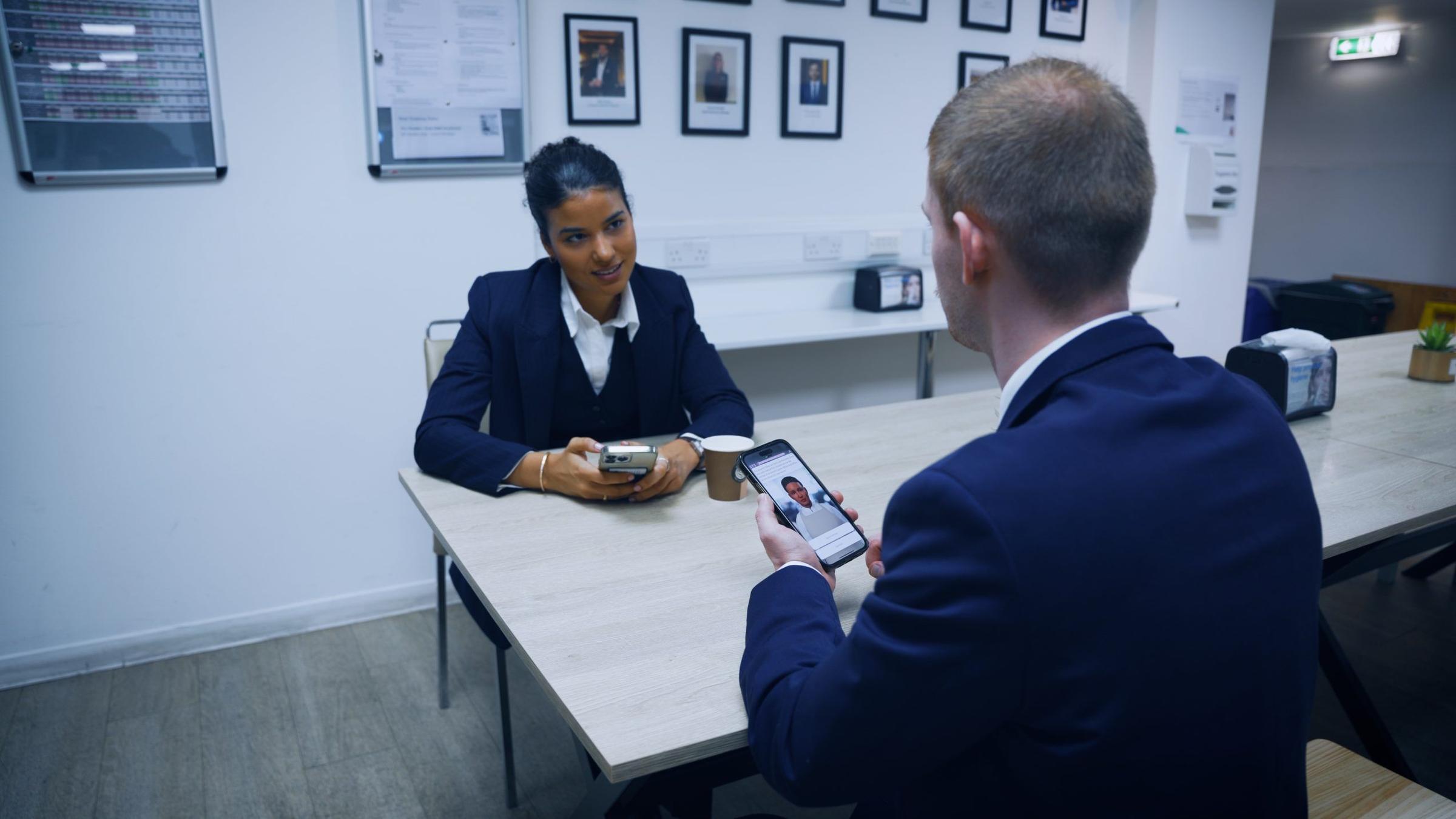
Staff access training on their own schedule, in the moment or on the go, on whichever device they have.
"The younger generation connects with this learning immediately. It’s fast, it comes naturally to them, and they enjoy doing it. And I can truly see the difference."
"The gamification makes it easier to learn — and to remember. There are so many visuals, and that helps a lot. When you're in the rush of service and fully booked, things can slip. The visual side really makes a difference!"
“In hospitality, everything depends on people. When training is engaging, people talk about it, value it, and compare it to past experiences. That’s when you know it’s having an impact.”
“We implemented Attensi with the younger generation in mind. We need to adapt to them — and Attensi makes that easy.”
"Attensi is useful, engaging, and ticks all the boxes for me."
Measurable and impactful results
The implementation of Comply at Meliá has had a transformative impact on both engagement and performance. The results are clearly visible in the data, with stronger learning outcomes and higher participation - even in departments that had previously struggled with training adoption. This translated into measurable improvements across key performance indicators:
- 73% knowledge increase across 6 UK hotels
- Completion rates climbed from 20% to over 90% in departments that had struggled most
- 80% training satisfaction, with NPS scores rising from below 5/10 to over 8/10
But beyond the metrics, something more meaningful happened. Employees got competitive. They started talking about their training, recommending it, and comparing it favorably to anything they'd done before.
For Matisane, the most important shift runs even deeper than the completion rates:
"The biggest thing is sustainable change."
Why Attensi works

Built for real pressure and situations
Staff practice the situations they face on the job — fast, visual, and available on any device. When the moment comes, the right response is already instinct.

Designed for every level of the team
From 16-year-old first-timers to experienced managers, the format works across generations, backgrounds, and experience levels — so no one gets left behind.

Repetition that builds mastery
One-time completion doesn't build competence. Returning to practice, motivated by game mechanics and visible progress, is what turns knowledge into consistent, real-world behavior.