AI-First Industrial & Energy Training Platform
HSE training that turns knowledge into instinct
Build competency, strengthen safety culture, and drive measurable health and safety performance across every site, vessel, and shift, with training tailored to your operation and the risks your teams face.
 14%
14%increase in reported health and safety incidents after training launch
 98%
98%of employees reported increased confidence using Stop Work Authority
 87%
87%of competence gap closed, from 52% to 94%
78%knowledge gap closed with 100% of junior employees reporting full confidence
Trusted by leading industrial, energy, and maritime operators


Real results from real operators


 87%
87%of knowledge gap closed
Hydro closed 87% of their health and safety knowledge gap — from 52% to 94% — with an immersive 3D simulation and SKILLS game that became mandatory for site access globally, with 85% of users recommending it to colleagues.


 78%
78%knowledge gap closed
P&G closed 78% of the HSE knowledge gap in a factory pilot, delivering 100% confidence among junior employees on completion — with 6.9 average attempts showing strong operator engagement.


 4x
4xfaster than planned to hit the annual near-miss reporting target
K-Line shifted safety culture from silence to openness — hitting their full-year near-miss reporting target within one quarter and widening the source of reports across every vessel.


 96%
96%say RealTalk improved how they communicate in the field
DNV's surveyors knew their material inside out, but explaining it to a ship captain was another skill. With RealTalk they practised real survey conversations at their own pace and got up to speed in under 40 minutes.
THE CHALLENGE
Safety rules only save lives when workers act on them
Whether you run an energy operation, a manufacturing plant, or a maritime fleet — your frontline teams are working in high-risk environments where mistakes have life-threatening consequences. Rotating crews, contractor complexity, and multilingual workforces make consistent safety standards hard to maintain. When training doesn't build the instincts workers need under real pressure, it shows up in near-misses, standards that drift, and incidents that could have been prevented.

- When safety training doesn't stick, the consequences are irreversible.
- Near-misses go unreported when workers don't feel safe to speak up.
- Inconsistent standards across sites and contractors create incidents waiting to happen.
- Most safety training proves workers sat through it — not that they're ready to act.
The Solution
Training tailored to your life saving rules. Built to scale
When training is designed around the reality of your operations — your hazards, life-saving rules, and the real equipment your teams use on site — workers arrive site-ready, every time.
From game-based safety procedure simulations and life-saving knowledge modules to AI-powered crew conversations, workers practice in their native language, until critical safety skills become instinct.
The result is workers who are confident, competent, and site-ready from day one — not just workers who’ve completed training.
Driving genuine mastery across:
- Life-saving rules and near-miss reporting
- Permit-to-work and stop-work authority
- Hazard spotting and safety procedures
- Leadership, sales and crew conversations
Decision-led, realistic training that keeps industrial, energy, and maritime workforces competent, connected, and site-ready.

How it works
Three steps to a stronger safety culture and workforce
Design and deploy training
Whether you build content yourself, use Attensi's proprietary AI, or our consultancy and design team — scenarios are designed around your specific life-saving rules, permit-to-work procedures, equipment, and real site hazards. Always consistent, always current; update and deploy instantly when regulations change, a new site opens, or safety procedures shift.
Practice-based training
Training modules in the form of a game drive motivation, fueling voluntary repetition that builds competence. Workers have a tailored learning path, practice realistic scenarios, and get personalized feedback. Accessible on any device, in their native language, staying informed, connected, and ready to perform across every site and shift.
Connect training and performance to key business metrics
Data that reveals where skills are strong and where standards are slipping — across every site, vessel, and contractor group. Go beyond completion rates and see how training directly impacts key operational metrics: safety incident rates, near-miss reporting, operator certification, and commercial performance.
DNV - Det Norske Veritas
High-stakes conversation practice with AI-roleplay training
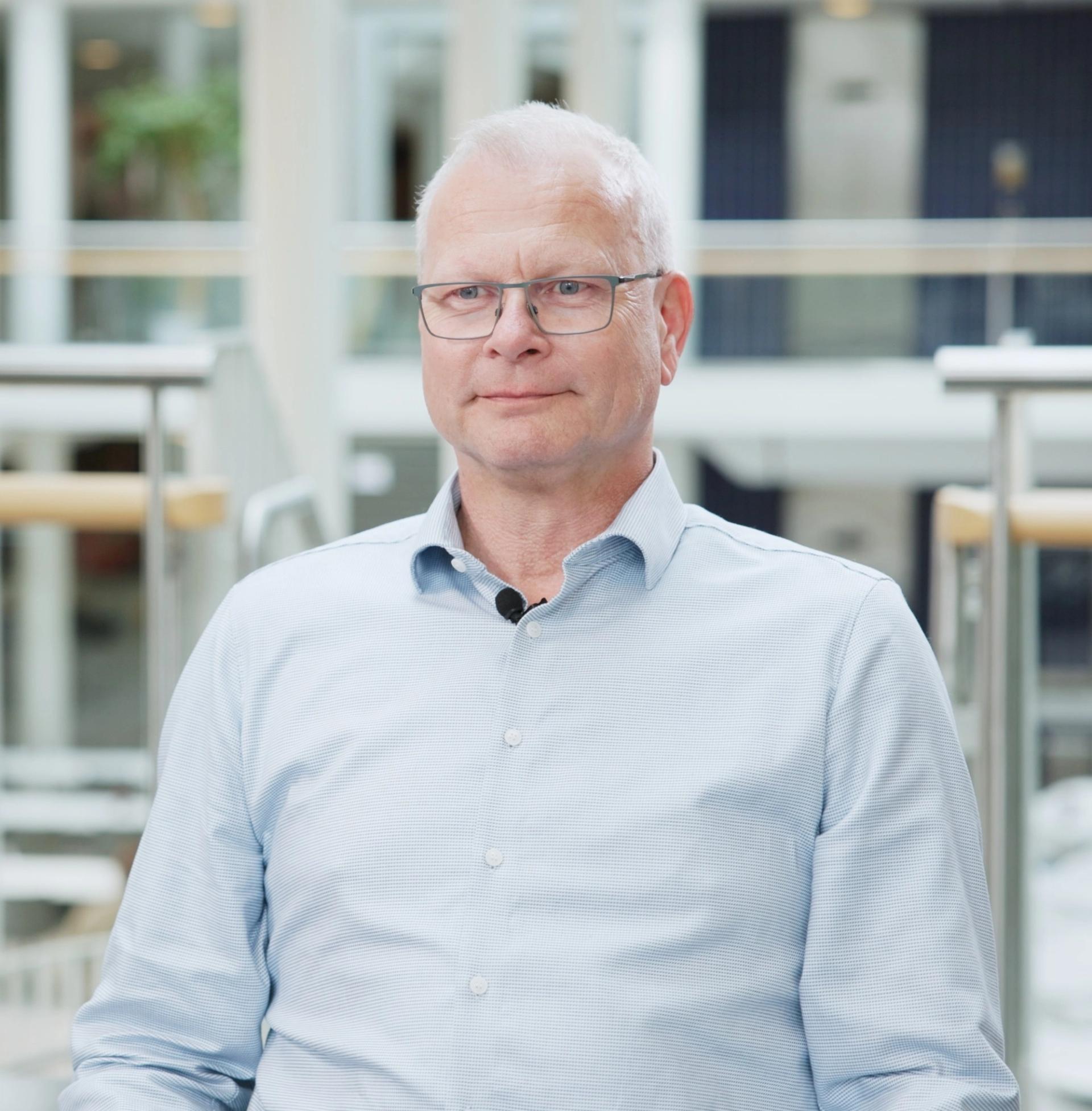
DNV gave its surveyors somewhere to practice high-stakes customer conversations with Attensi RealTalk. 92% improved their score when they repeated the training, and 96% say it improved how they communicate in the field.
All your training needs. Covered.
Explore training built for your reality — and designed to drive performance where it matters most.




Platform features
Purpose-built for performance
The tools industrial and energy teams need to onboard faster, maintain consistent safety standards, and scale confidently.

Game-based simulations
Realistic, on-site simulations built around your life-saving rules, equipment, and real hazard scenarios — driving the kind of repetition that turns practice into instinct.

AI role-play
Dynamic AI conversation practice built around safety leadership scenarios and commercial conversations — from stop-work authority and incident debriefs to sales and customer interactions — with characters that respond and adapt naturally.

Mobile-first delivery
Available on iOS and Android. Workers train on their own devices, in the field or between shifts, without a classroom or production downtime. No scheduling, no friction.

50+ languages supported
Training delivered in over 50 languages — so every worker learns in their native language and critical safety concepts are genuinely understood, not just seen.

Real-time performance data
Reveal competence gaps by role, region, and contractor group in real time — so HSE leaders can act before gaps become incidents, not after.

Connects with your existing tech stack.
Connects with Workday, Docebo, Cornerstone, and other leading LMS and HRIS platforms via SSO and SCIM. No rip-and-replace required.
Customer Success
Your success is our success

From day one, you have a dedicated Customer Success Manager who works alongside a skilled team — design specialists, training consultants, and experts in behavioral science — all committed to the impact training has on your business.
How Attensi differs from traditional training
Frequently asked questions
Common questions from industrial, manufacturing, energy and maritime operators
Can’t find what you’re looking for? Talk to our team.
Classroom training builds awareness — simulation training builds the instinctive responses that prevent incidents. Workers who have practiced responding to a permit-to-work violation, a near-miss, or a stop-work moment dozens of times in a realistic scenario will respond differently on site than those who watched a video about it. Across industrial, energy, and maritime deployments, simulation-based health and safety training closes knowledge gaps by 70–90%.
Through practice, not policy. Workers need to have exercised stop-work authority before they need to use it for real — which means facing realistic scenarios where a colleague is skipping a safety check, or a supervisor is pushing to keep production moving, and making the call. Repeated practice builds the confidence to act. Supervisors need the same — practicing how to respond when a worker stops the job, and how to create an environment where reporting feels safe rather than risky. That combination is what shifts safety culture from compliance on paper to behavior on site.
Training is delivered on any device, in over 50 languages, without requiring a company device, network access, or fixed location. Content is scoped by role, site, vessel, or contractor group — so a multilingual crew on a remote platform and a new hire at a manufacturing plant both receive training built around their specific context, in their native language. When regulations change or a new site opens, content updates instantly across every location without waiting for a classroom to be rescheduled or a PDF to be reissued.
Building a stronger safety culture in industrial, energy, and maritime operations requires more than mandatory training completion. It requires workers who instinctively report near-misses, exercise stop-work authority without hesitation, and identify hazards before they escalate — and leaders who respond constructively when workers raise concerns. Simulation-based training builds these behaviors through repeated practice in realistic scenarios until they become the default response. Safety culture strengthens when training stops being something that happens to the workforce and becomes something they actively engage with — because the scenarios reflect their real work, not a generic compliance module.
Yes. Engineers, supervisors, and operational leaders in industrial, energy, and maritime environments face communication challenges that rarely get trained: delivering findings under time pressure, managing pushback from customers or crew, navigating cross-cultural interactions, holding a difficult conversation with a team member who is cutting corners. AI-powered conversation practice lets people rehearse these scenarios with characters that respond and adapt naturally — in a consequence-free environment — until the right approach is instinctive. The same platform that trains stop-work authority and hazard identification trains the skills that determine how effectively a team actually operates.
By tracking what actually changes, not just who completed what. Real-time data shows knowledge progression, competency gaps, and behavioral readiness by role, site, vessel, region, and contractor group — across health and safety, sales, leadership, and communication training in one dashboard. That means health and safety leaders can see which life-saving rules are sticking and which aren’t, and commercial leaders can see where sales competency is lagging — before those gaps produce incidents or missed targets. Completion rates tell you training happened. This tells you whether it worked.
Yes. Industrial, energy, and maritime organizations use Attensi to train health and safety competency, life-saving rule compliance, and safety culture alongside sales effectiveness, customer-facing communication, and leadership development. Everything runs on the same platform — the same game-based simulations, AI conversation practice, and performance analytics — built around your specific procedures and scenarios, delivered in any language, on any device. One platform, one dashboard, across every training need.

See it in action
Book a demo built around your operation
Tell us about your operation and we’ll show you how Attensi drives faster site readiness, consistent safety standards, and measurable results across every location.