
Gamified simulation training
Training simulation software that gets your people job-ready faster
Frontline, sales and service teams rehearse the real job in 3D simulations and AI roleplay, and repeat it until the right call is instinctive.
Proven across industries


Trusted by 200+ global customers


Completion tells you who finished. Simulation training shows who can do the job.
How does training simulation software work?
Three steps, from the first playthrough to proof on the KPIs you already track.
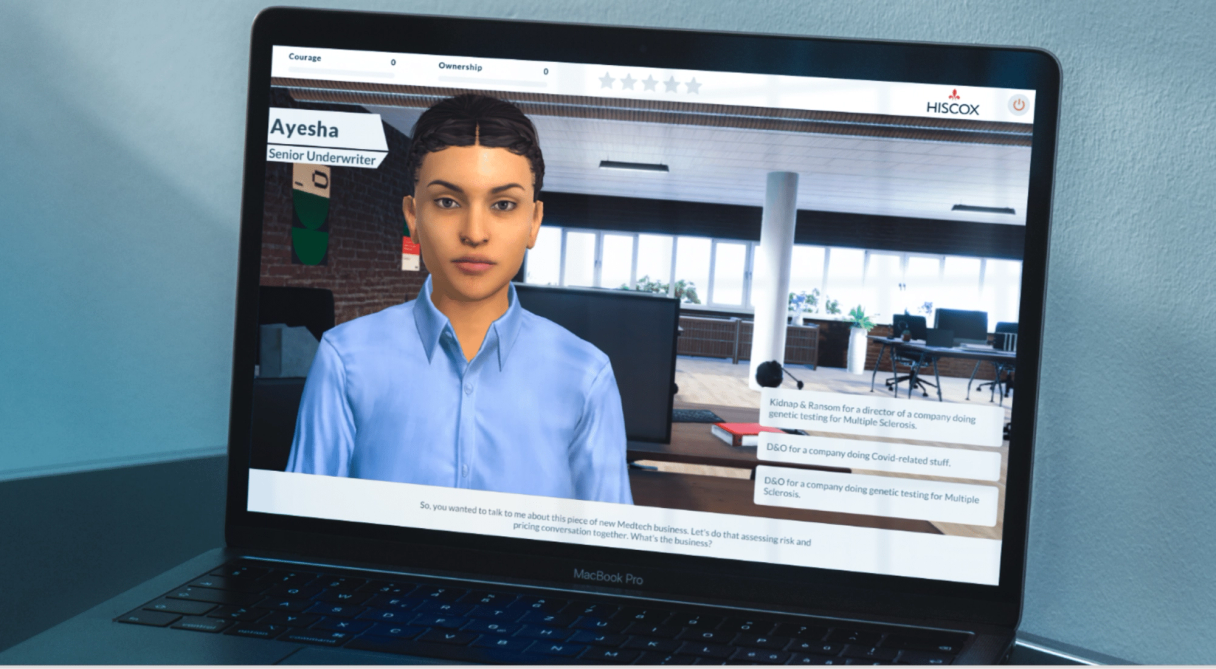
1. Rehearse the job in a 3D simulation
Lifelike 3D scenes of your shop floor, ward, site or office, built from your own processes. Every choice has a consequence, so judgment improves with each playthrough.
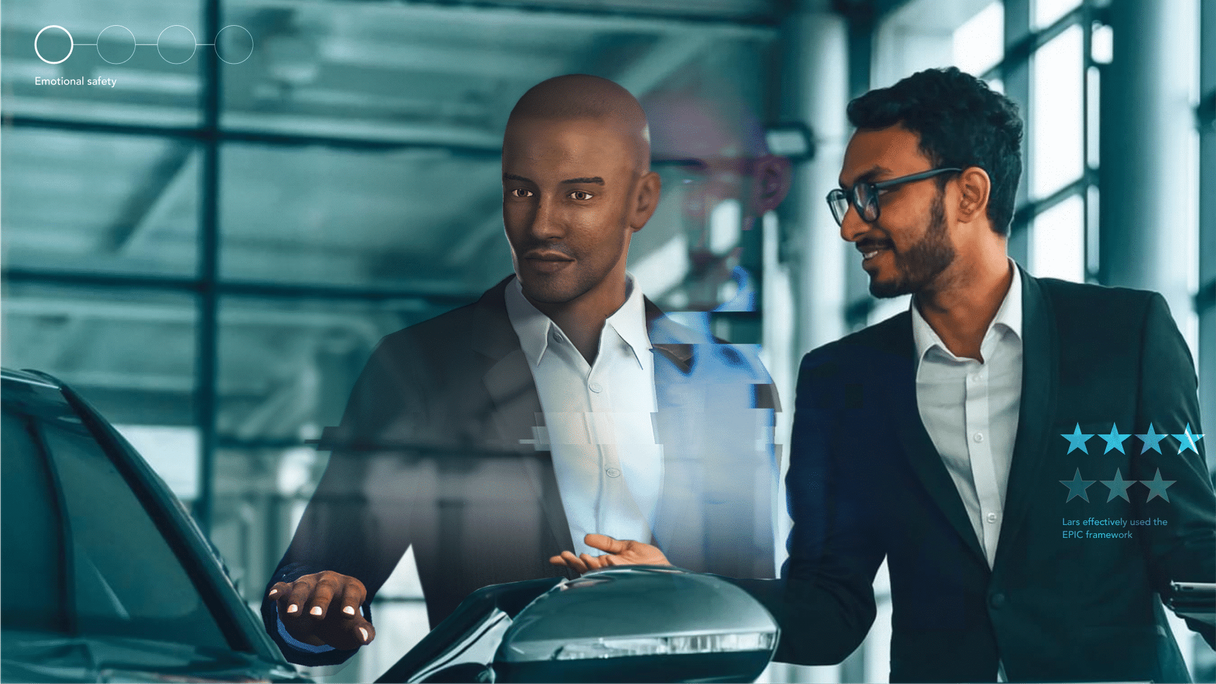
2. Practice the conversation with AI roleplay
AI characters push back and react to what people actually say - the sales pitch, the complaint, the coaching conversation - and score every attempt with specific feedback.
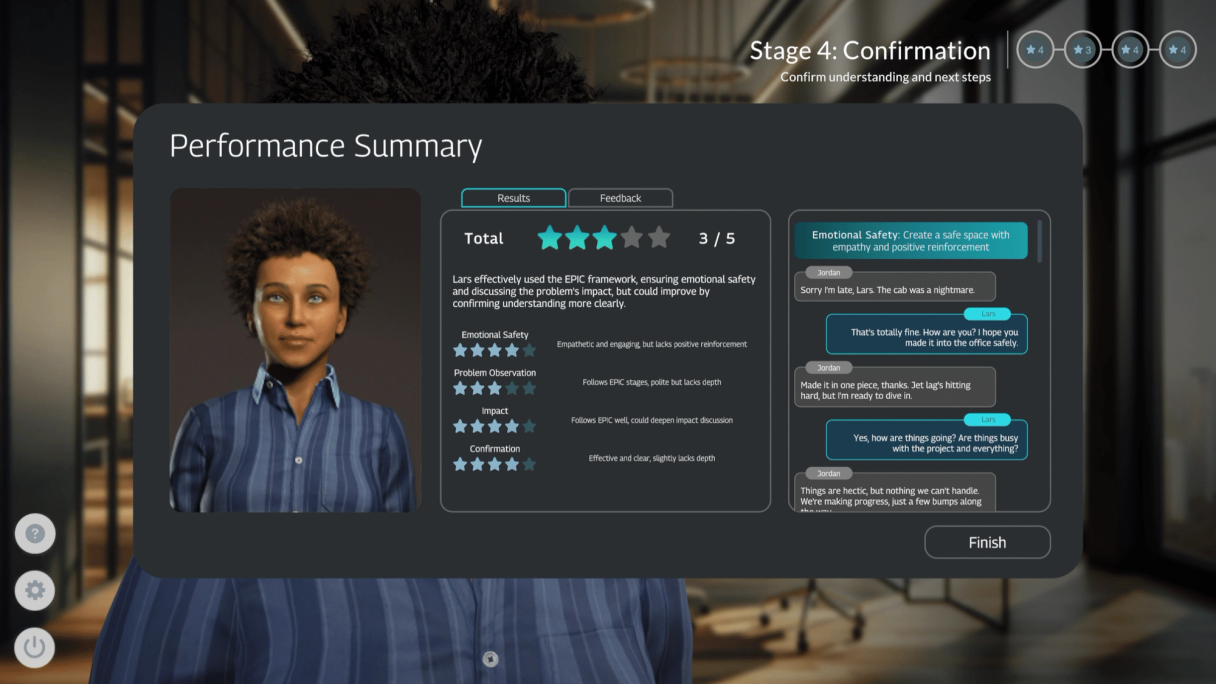
3. Prove it on the KPIs you already track
Scores and analytics show who is ready by person, team and location, and how practice lines up with sales, errors, incidents and turnover. Measure skills, not completion.
What can you train with simulation training?

Customer service and contact centers
New agents handle realistic customer and service desk calls before they take real ones. EQ measured a 3x return on investment from shorter training and lower staff churn.

Onboarding new hires
New starters rehearse their first shifts before day one. YO! cut first-day training from seven and a half hours to about two and a half.
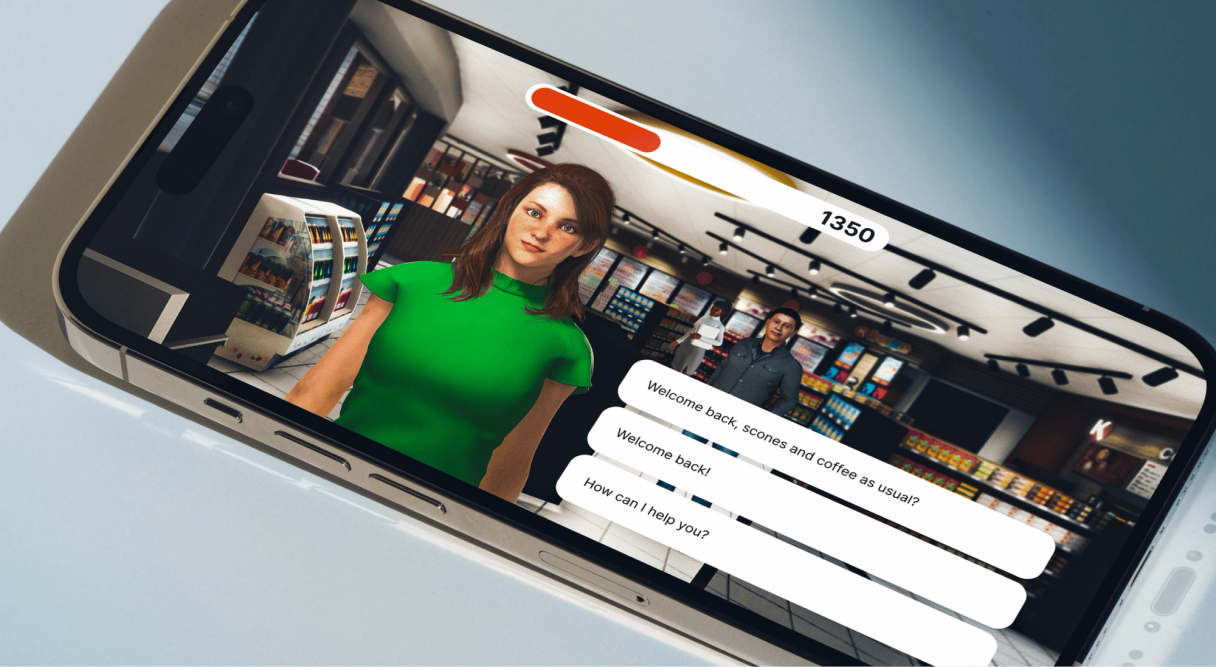
Sales simulation training and product knowledge
Turn ranges and launches into short, competitive challenges. Boehringer Ingelheim closed 85% of the competence gap in its product and disease training.
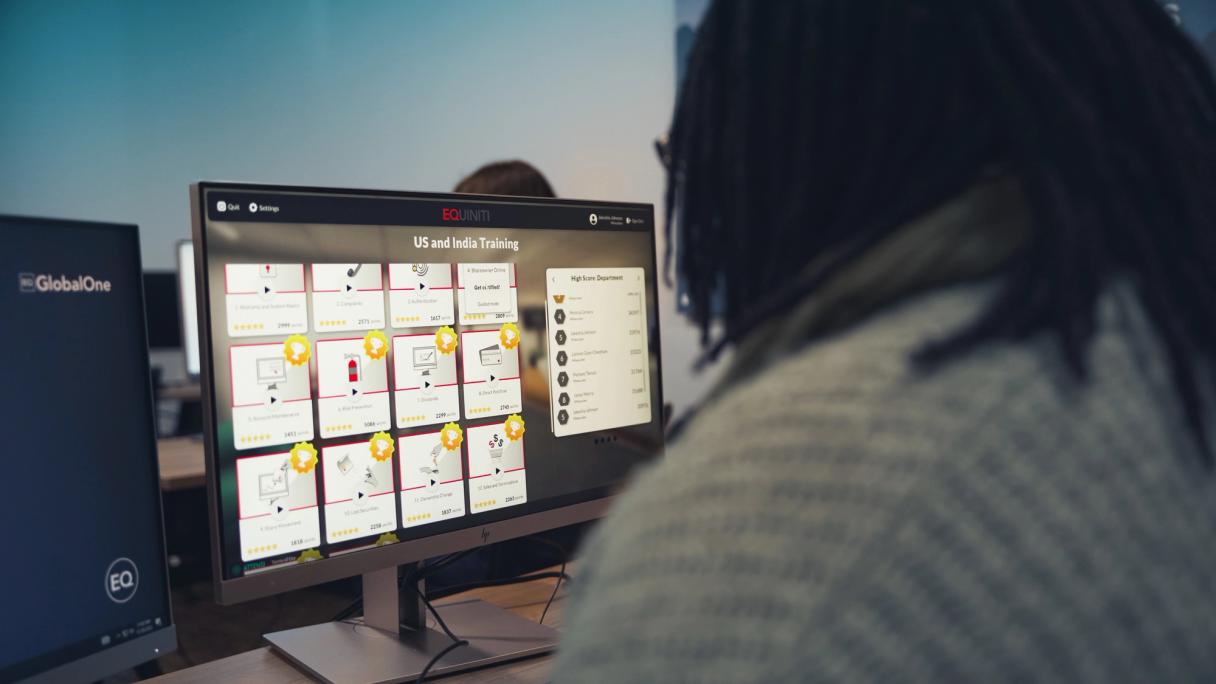
Interactive software simulations for systems and processes
Rehearse a new CRM, clinical or back-office system in a software simulation before go-live. Lillestrøm Municipality trained 5,000 employees on new systems in two months.
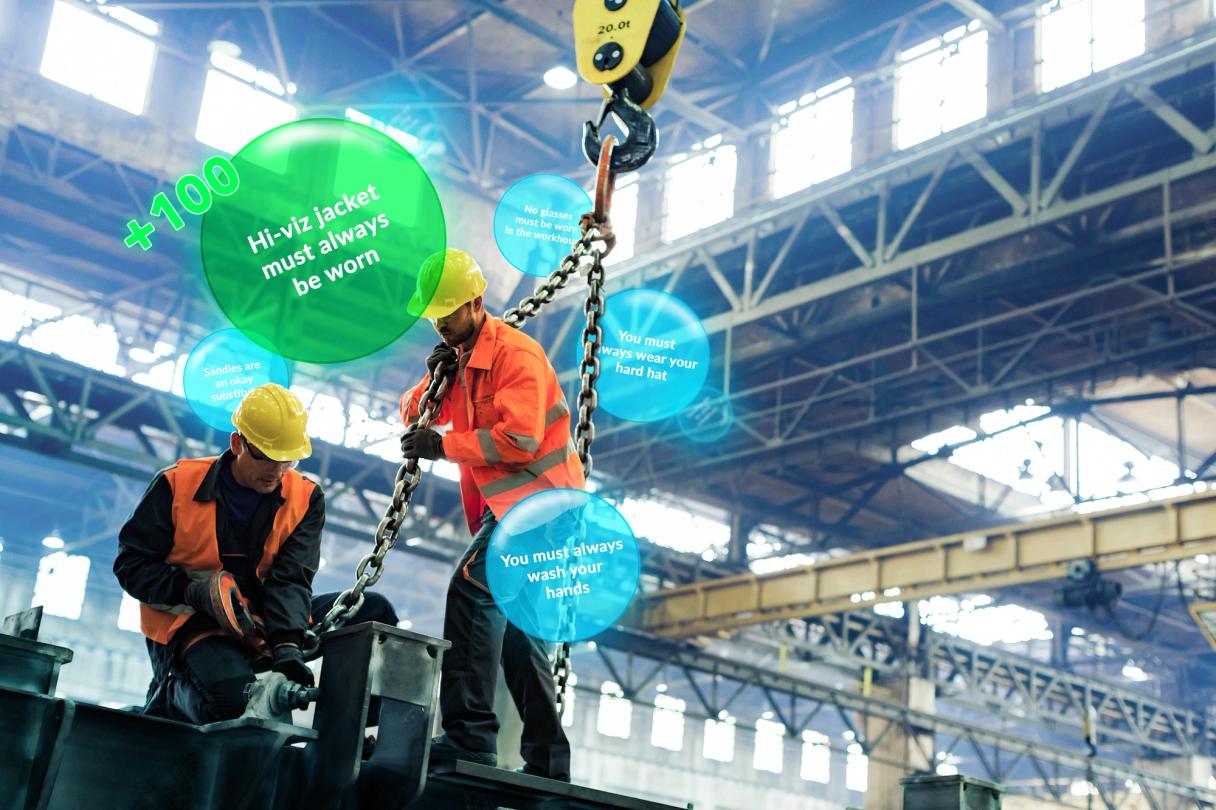
Health, safety and compliance
Practice hazard spotting and safety-critical procedures where mistakes cost nothing. 90% of Equinor's offshore workers said the training improves their safety.
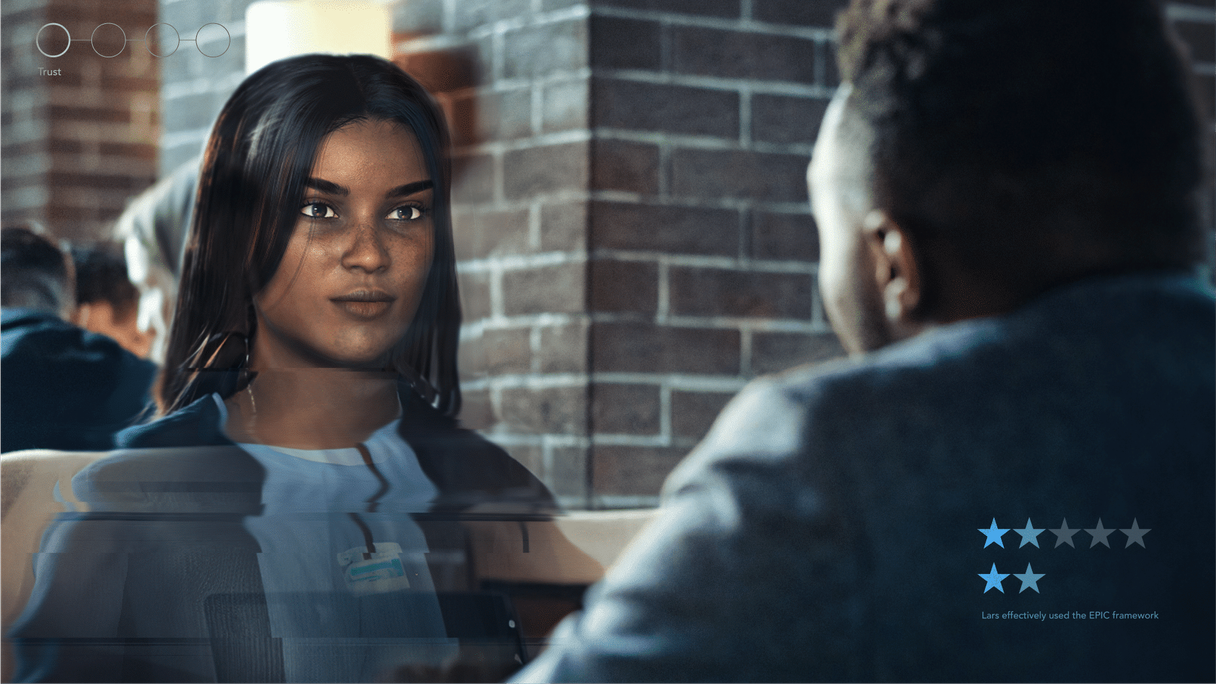
Leadership simulations and coaching
Managers rehearse the soft skills that are hardest to teach - feedback, performance reviews, difficult conversations - with AI characters who respond like real team members.
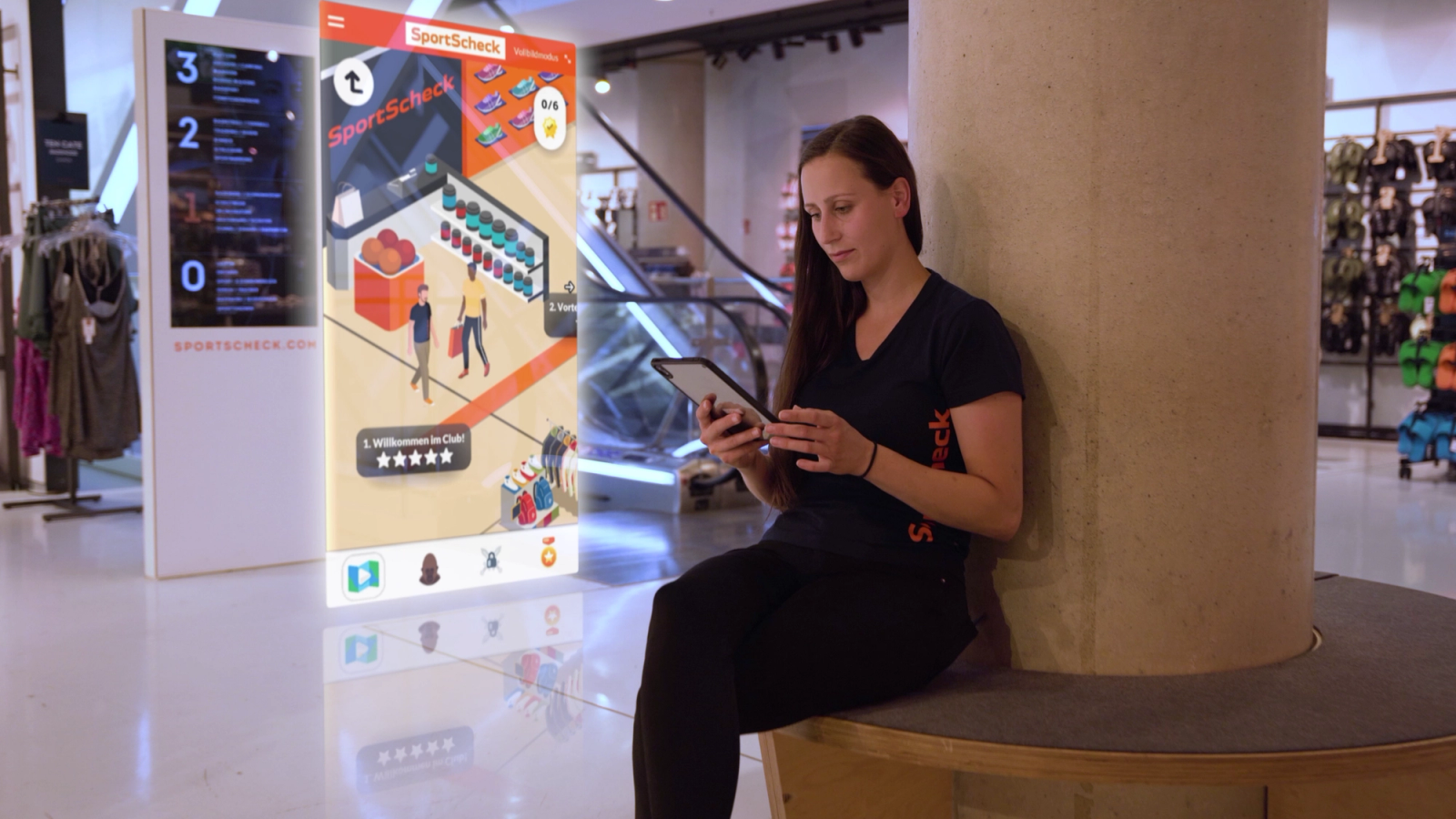
How does gamification make simulation training stick?
Repetition builds the skill. Scores, levels and leaderboards are the mechanism, not the message: they bring people back to practice until the right response is instinctive. Game-based repetition gets people to competence in their role five times faster.
Competition drives voluntary practice. Circle K engaged 14,000 employees in a 'beat the boss' competition and closed 96% of the knowledge gap. Boehringer Ingelheim's teams repeated their training 40 times on average.
The results show up in the numbers. Bohus certified more than 500 staff in six weeks, over 90% completed every module, and its most-trained stores grew revenue 2.5 times as much as those that trained least.
Simulation training results across industries
From underwriting desks to call centers to retail floors, the results show up in failure rates, competence and revenue.
 Read their story

How Hiscox created the world’s first insurance training simulator for underwriters

70% reduction in post-program failure rate
 Read their story

Closing a call center competence gap by over 90%

90% of competence gaps closed
 Read their story

2.5x vs 1x Revenue: Bohus’ gamified training impact

2x+ increase in units sold by stores who trained most with Attensi Skills
How fast can you build and roll out a training simulation?
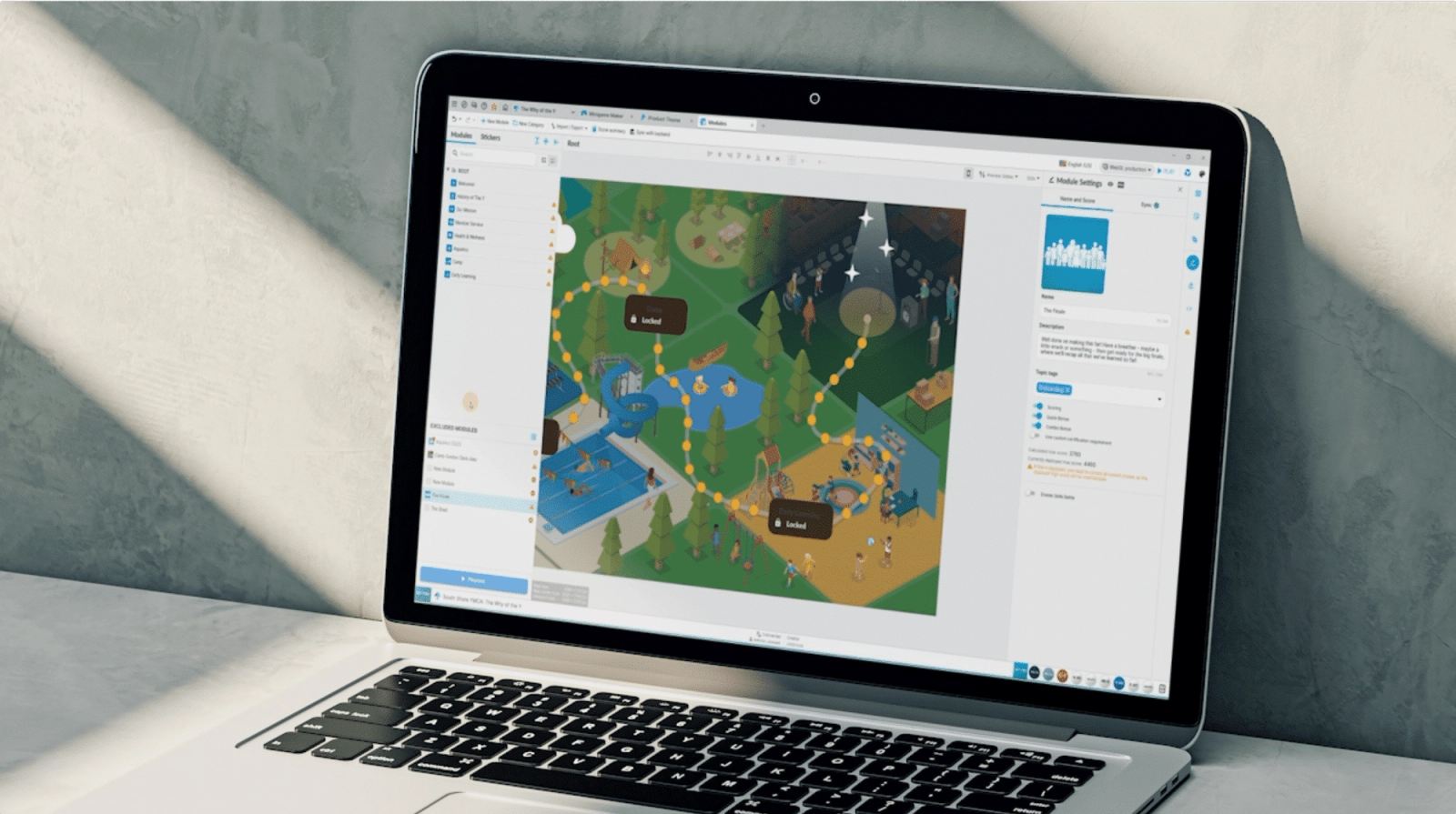
AI-assisted authoring. Your team builds and updates simulations in Attensi Creator, with AI that speeds up writing and translation and no development skills needed. For flagship programs, Attensi's designers build bespoke 3D simulations with you. SSP cut the time it takes to create a module by 75% with Attensi AI.
Every site, every language. Simulations run on any phone, tablet or desktop in 50+ languages. Circle K had a full solution built, translated into nine languages and launched in four days, and trained 3,000 staff in the first week.
Fits the systems you have. Attensi runs inside your LMS via SCORM, xAPI and LTI and connects through single sign-on (Azure Active Directory, SAML and SCIM), or runs on its own with user management, campaigns and certification built in.
The data behind every simulation
15+ years of evidence about what changes behavior at work.




Awards and recognition





Training simulation software FAQs
Can’t find what you’re looking for? Talk to our team.
Training simulation software lets you build, deliver and measure interactive simulations of real work situations. Employees practice decisions in a realistic scenario, get scored and repeat until they get it right, while managers see who is ready. Attensi is learning simulation software that combines 3D simulations, AI roleplay and AI-assisted authoring in one platform, with analytics tied to the KPIs you already track.
Scenario-based training teaches skills through realistic situations instead of theory: a customer complaint, a safety incident, a sales conversation. Learners choose what to do and see the result. Attensi turns these scenarios into short, repeatable business training simulations, so people build judgment through practice rather than by memorizing slides.
No headsets needed. 3D interactive training puts learners in a virtual version of their workplace - a store, a ward, a site, an office - with characters who respond to their choices. Attensi is an immersive learning platform that runs on the phones, tablets and computers people already use, so a whole workforce can start at once.
Gamified simulation training combines realistic simulations with game mechanics such as scores, levels, leaderboards and team battles. That is where gamification for learning and development earns its place: the mechanics drive repetition, and repetition is what makes skills stick. Circle K engaged 14,000 employees in a 'beat the boss' competition and closed 96% of the knowledge gap.
Yes, because people choose to come back to it. Games for corporate training work when they are built around real work, not generic quizzes, and gamification for training turns practice into a habit: Boehringer Ingelheim's teams repeated their product training 40 times on average and closed 85% of the competence gap. It works for gamifying onboarding too - YO! cut first-day training from seven and a half hours to about two and a half.
AI simulation training uses AI-powered characters that respond to what the learner actually says, instead of following a fixed script. Think of it as a conversation simulator: AI roleplay training makes every practice conversation - sales, service, coaching, difficult feedback - different, with instant feedback on what worked. Attensi also uses AI to speed up building and translating simulations.
Yes. Attensi runs simulation training online, in a browser or app on any phone, tablet or desktop, so people train wherever they work, including frontline staff who never sit at a desk. Lillestrøm Municipality trained 5,000 employees on new systems in two months.
Days, not months. With Attensi Creator, your team builds and updates simulations with AI-assisted authoring and no instructional design or development background. SSP cut the time it takes to create a module by 75%, and Circle K had a full solution built, translated into nine languages and launched in four days. Bespoke 3D simulations built with Attensi's designers take longer, depending on scope.
Yes. Attensi connects to existing LMS platforms via SCORM, xAPI and LTI and supports single sign-on, or runs on its own as a gamified learning platform with user management, campaigns and certification built in.
Most e-learning tools and training platforms deliver content and report completion. Attensi is built around practice and proof: realistic simulations people repeat until they get them right, and analytics that tie that practice to business results. At Bohus, the stores that trained most grew revenue 2.5 times as much as those that trained least. The approach is backed by 200M+ training sessions, 10B+ datapoints, 200+ global customers and 97% customer satisfaction.

Stop measuring completion. Start proving performance.
Book a demo to see training simulations built for your industry, your people and the KPIs you already track.