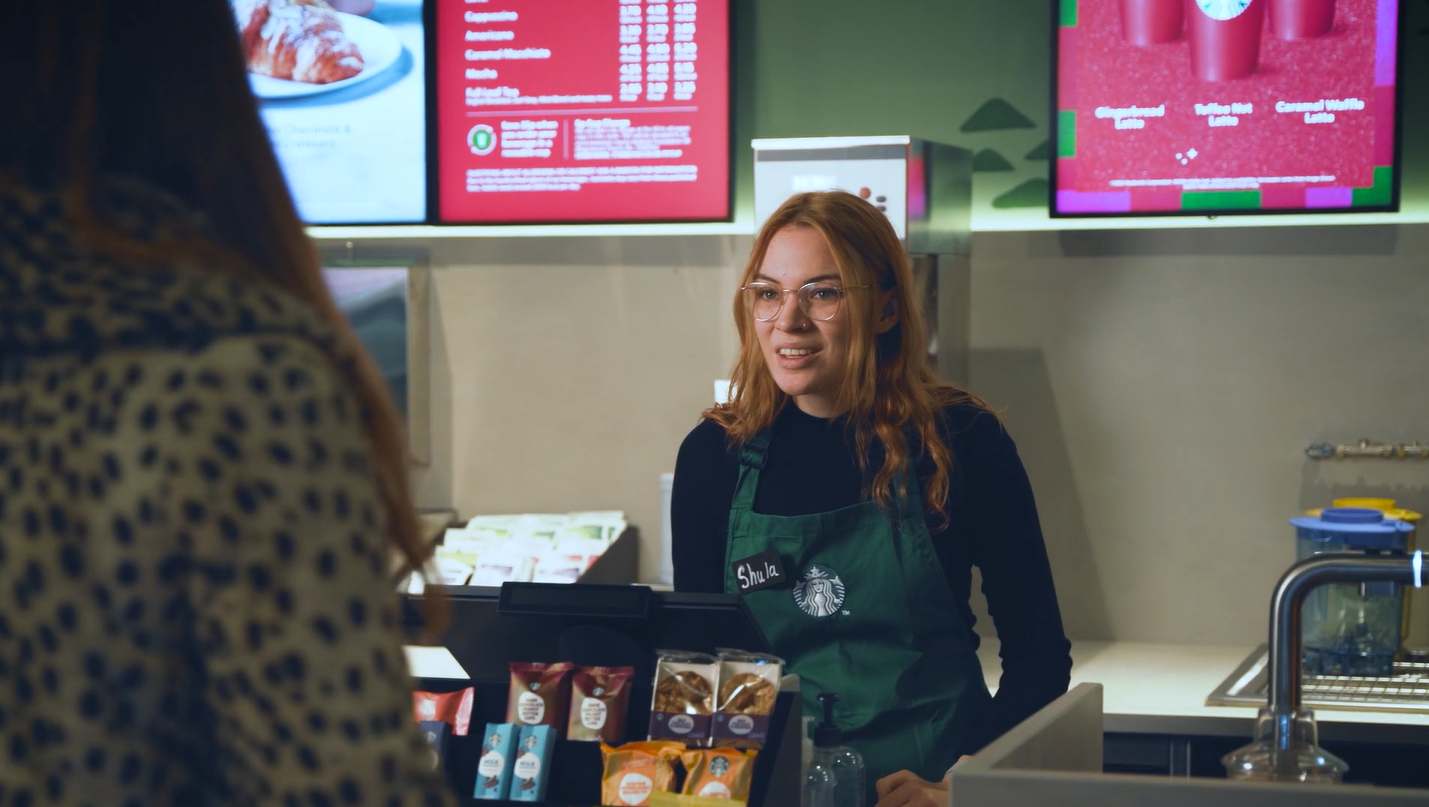
Building frontline competence at scale with Alsea
Recipe manuals became gamified simulations across nearly 200 Starbucks cafés in France, Belgium, and the Netherlands. Training is no longer something employees complete once. It’s something they return to until it becomes second nature.
 93%
93%of employees are satisfied with the training
 4.7
4.7repetitions per module
 88%
88%up to 88% of the competence gap closed
About Alsea
Delivering consistency across hundreds of cafés

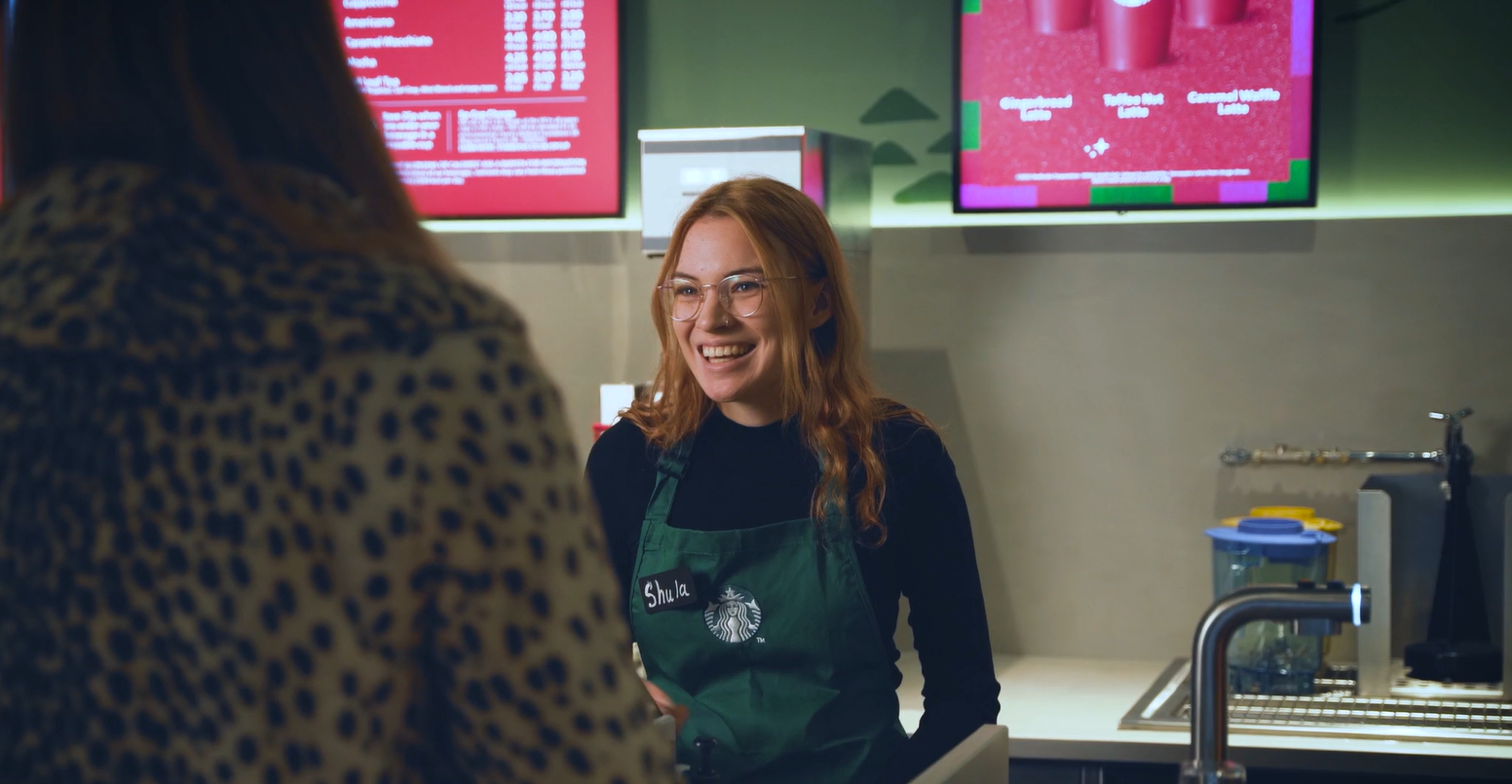
Starbucks has a simple mission: to be the premier provider of the finest coffee in the world. Delivering on that promise consistently, across hundreds of cafés, depends on getting countless details right. Recipes must be followed precisely. Beverages prepared to standard. Food safety and hygiene maintained without exception. Operational procedures carried out the same way in every store, on every shift.
Every Starbucks employee is expected to master all of it. For many of Alsea’s frontline workers, however, this is their first job. They arrive with no prior experience, yet are expected to meet the same standards as colleagues who have spent years behind the bar. That makes fast, effective onboarding essential. After all, when consistency slips, customers notice immediately.
“We support them. Without them, there is no Starbucks.”
First reactions to Attensi
One of the team’s first reactions to the platform captured exactly why it felt different:
“My first reaction was that it was user-friendly, and adapted to our young employees. It felt like a new generation of training.”
The transition succeeded at scale thanks to three key factors: realistic training, one consistent standard, and in-house content development.
 Realistic practice
Employees learn by doing. Through interactive simulations, they rehearse situations they’ll encounter behind the counter, building confidence before they face them in a real store.
 One standard across countries
Every employee trains against the same operational standards, helping create a more consistent customer experience across locations.
 Content built in-house
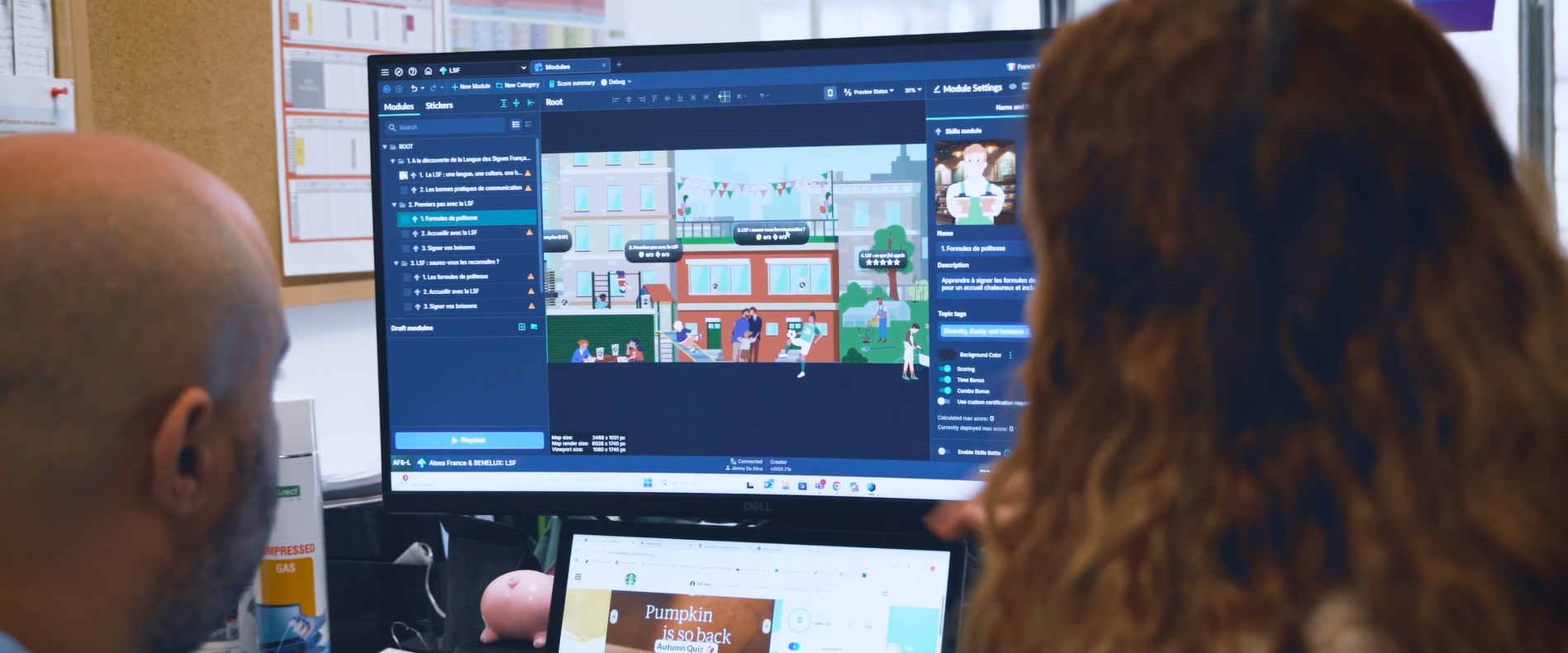
Using Attensi Creator, Alsea transformed training materials into interactive simulations and can continuously build new content without relying on external development resources.
Training built for the realities
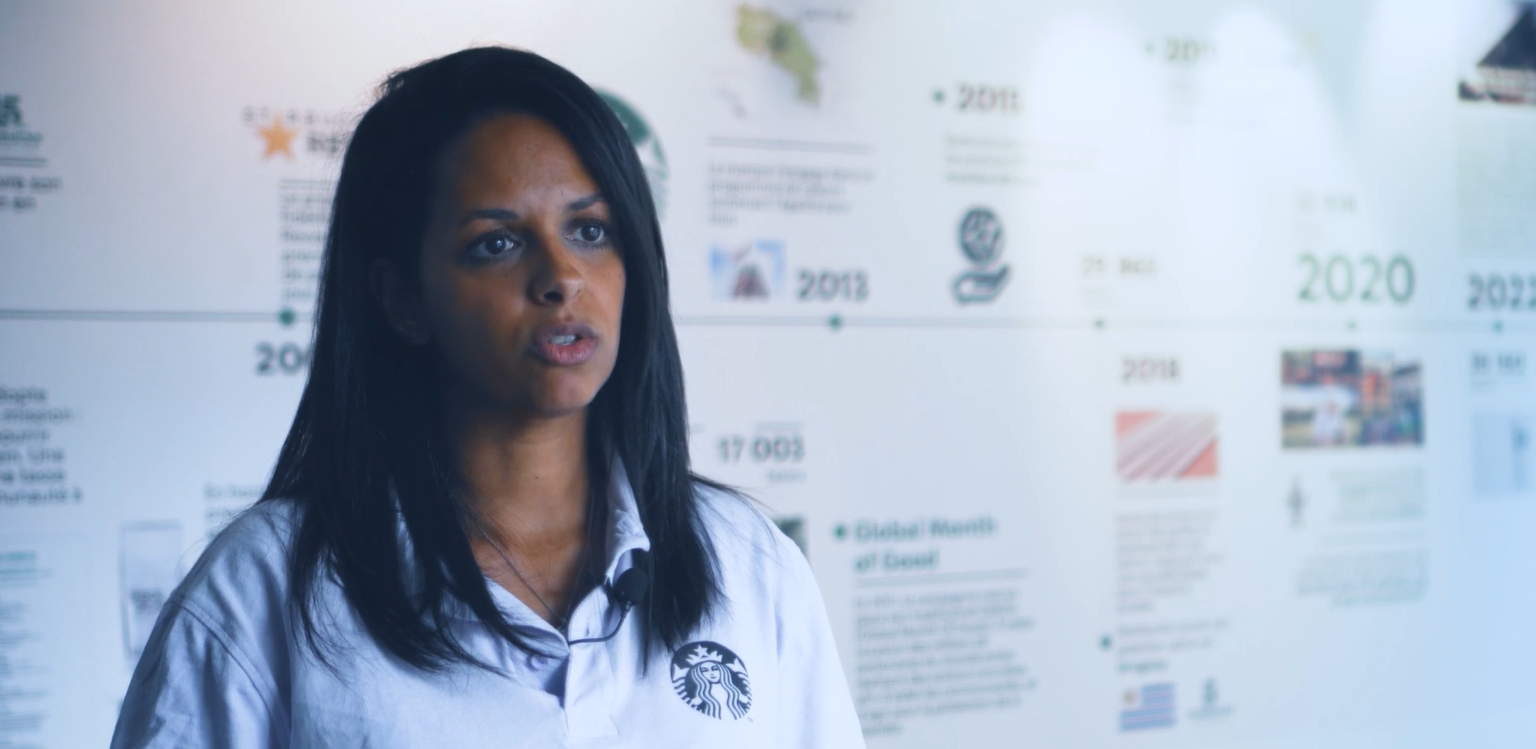
Before Attensi, training at Alsea relied on in-store sessions and printed manuals. The approach had served the business well for years, but it struggled to keep pace with the realities of a growing workforce and increasingly complex operations.
As Alsea expanded across multiple markets, the gaps became more visible. New employees needed more opportunities to practice before facing real customers, while managers needed better visibility into who was ready to perform independently.
A manual can explain how to make a drink. It can list procedures and standards. What it cannot do is recreate the pace of a busy café, allow employees to learn through repetition, or build the confidence that comes from making decisions in realistic situations before they matter.
With Attensi Creator, Alsea transformed existing procedures and learning materials into immersive simulations, giving workers a safe environment to practice, make mistakes, and build confidence before stepping onto the café floor.
What changed with Attensi
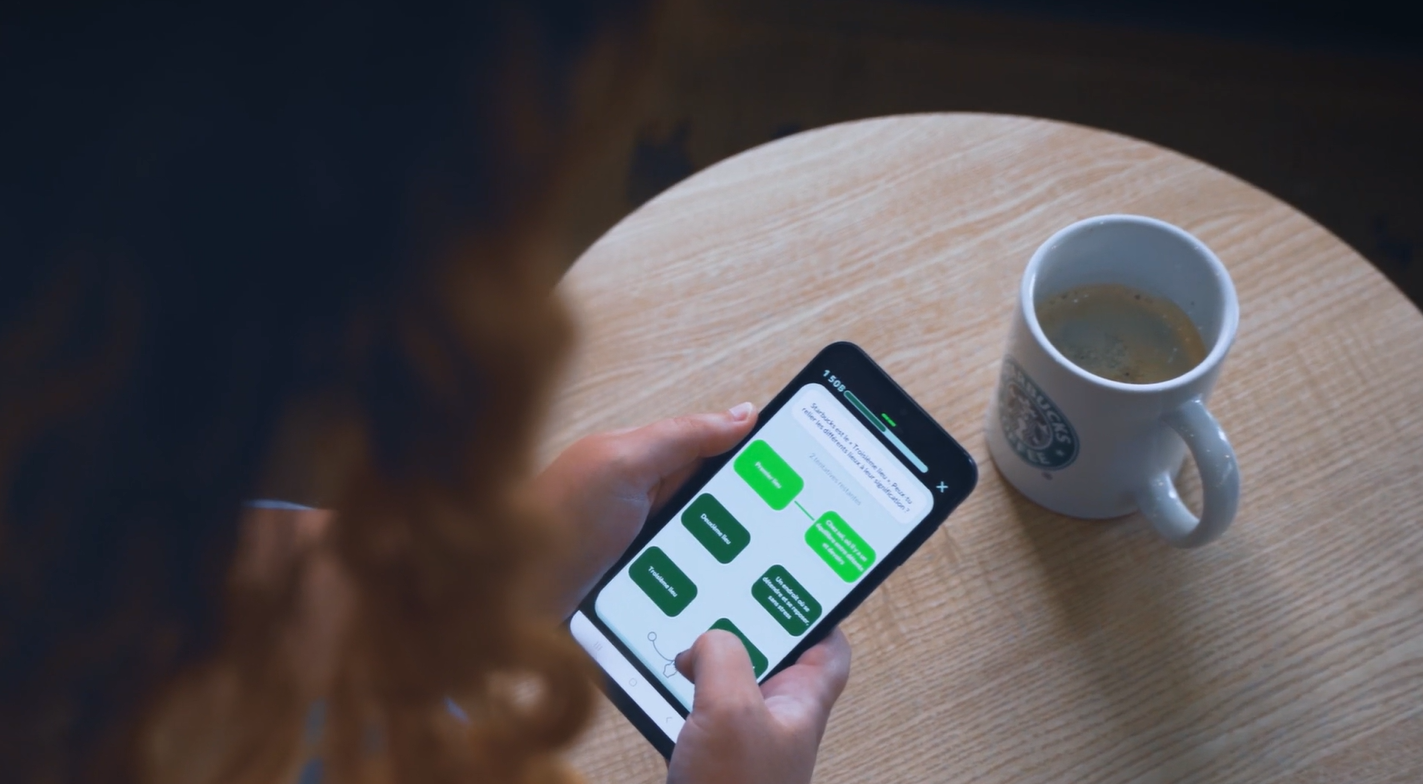
The impact was visible almost immediately.
Instead of completing training once and moving on, employees kept coming back. On average, they repeated each module 4.7 times, turning training from a one-time activity into ongoing practice. Every replay became another opportunity to reinforce standards, make decisions, and build confidence in a safe environment before stepping onto the café floor.
That repetition translated into measurable capability gains. Alsea closed up to 88% of measured competence gaps following training, giving employees a stronger foundation before serving customers in a live store environment.
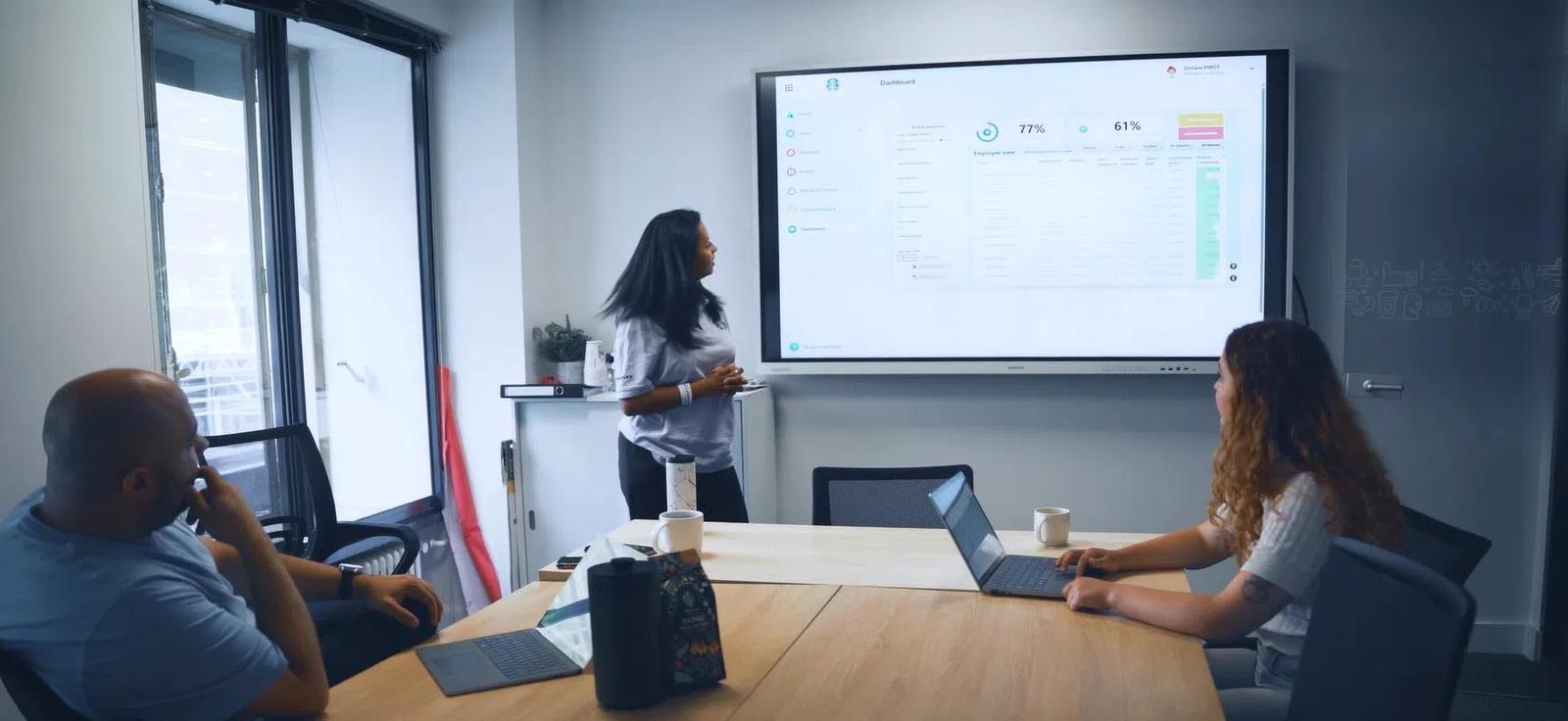
At the same time, managers gained greater visibility into learning progress through Attensi Insights. Rather than waiting for performance issues to appear on the floor, they could identify competence gaps earlier, track development over time, and direct support where it would have the greatest impact.
Training did not replace coaching in the café, but it changed the nature of it. Employees arrived having already practiced recipes, standards, and operational procedures multiple times, allowing managers to spend less time explaining the basics during a busy shift.
Instead, they could focus on what matters most: coaching performance, reinforcing consistent standards, and helping their teams deliver the experience customers expect every time they walk through the door.
“Attensi is the future. It’s the future of training.”

See what gamified training could do for your teams
Alsea replaced paper manuals with training employees choose to repeat, closing up to 88% of the competence gap along the way. See what that could look like across your frontline.