



 White Papers
June 5, 2026 · 3 min read
White paper
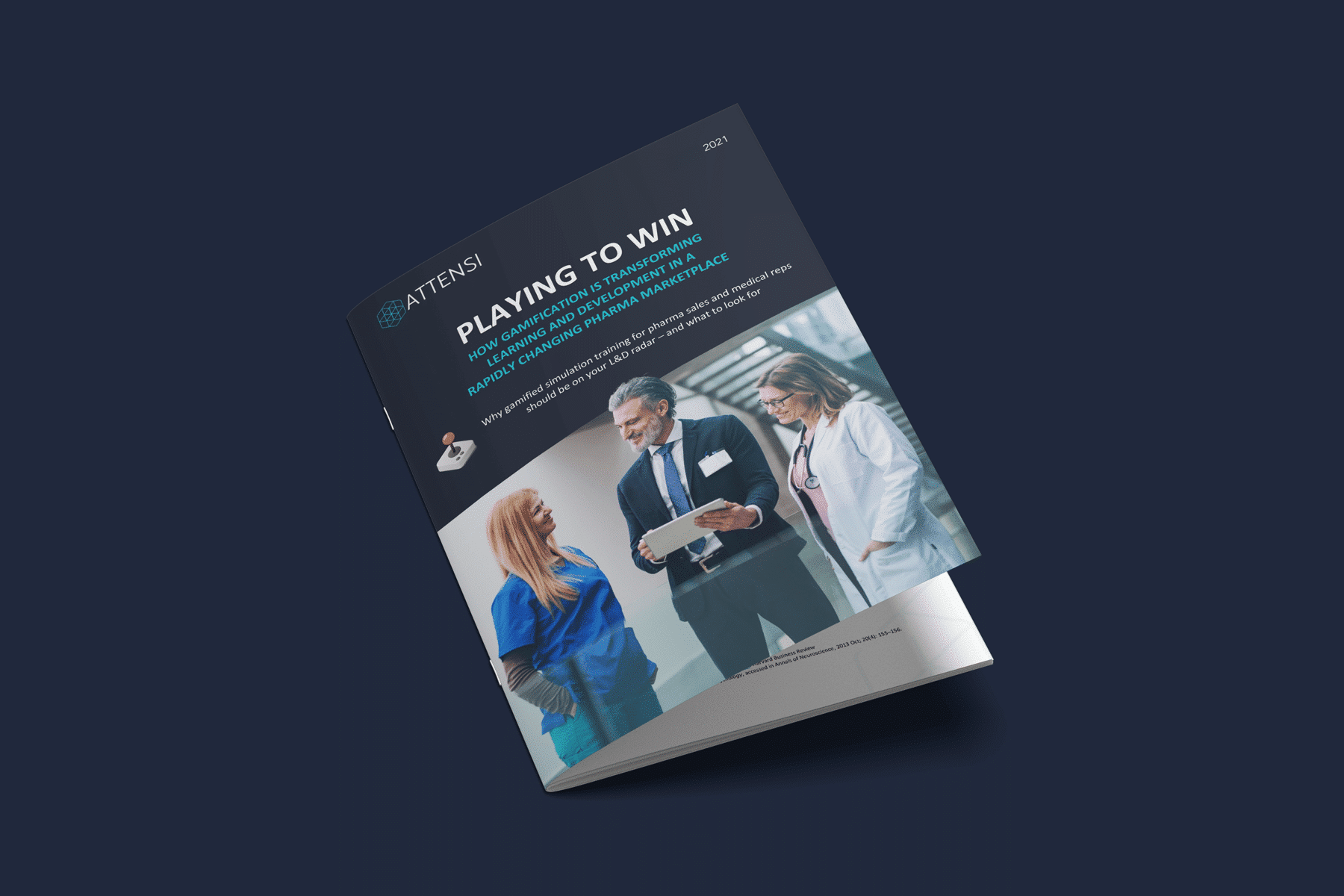
Pharmaceutical training for sales and medical reps that engages and upskills your staff, consistently, at scale. Make measurable impact on the business KPIs that matter to you.
Get your free comprehensive guide to gamified simulation training for the pharmaceutical industry today.

Team Attensi
Published · Updated
Pharma lags behind other sectors on digital maturity — only 8% of pharma companies rate themselves as 'digitally mature'. But COVID-19 changed the pace: the biopharma industry moved further in ten months than it had in the previous ten years, and sales and medical teams now need to perform across more locations, launches and regulatory regimes than ever before.
Top-performing sales teams today must be:
So how does training that hasn't changed in 20 years hold up against all of that?

Most pharma L&D still looks like this: reading and 'remembering', awkward role play, classroom-based training, e-learning modules, video lectures. Passive, one-off, and easy to tick off — but not built to make knowledge stick.
The cost of that gap is concrete. Humira, the highest-selling pharma product in 2019, sold close to $20 billion — each day of market exclusivity was worth around $54 million, which makes any delay to product rollout and training extremely expensive. And with pharma companies operating across multiple countries and cultures, a one-size-fits-all training programme can't flex for local regulations, language and sensitivities the way the business needs it to.
This is exactly where gamified simulation training earns its place.

As gamification pioneer Yu-Kai Chou explains:
"Gamification isn't just games. It's not just fun. It exists to create business value. The user enjoys the experience, but business metrics must improve too."
Gamified simulations use game design, 3D modelling and behavioural science to model real-world scenarios — giving staff a safe place to make mistakes and learn from them. Our brains have little incentive to hold on to information we only read; we lock skills into long-term memory by experiencing them.
Attensi's own Gaute Godager, Creative Director, puts it more bluntly:
"You can't learn to dance by reading about it! We learn by doing. A simulation is make-believe, so there's no fear in experiencing the behaviour you want to learn."
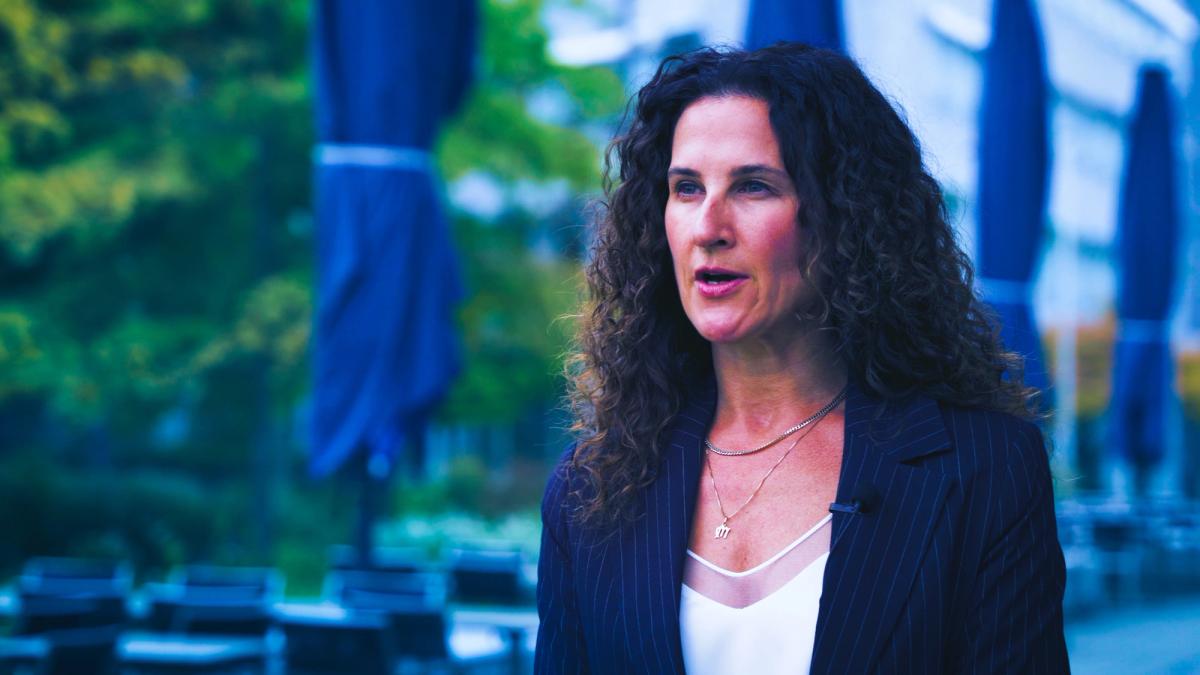
Boehringer Ingelheim used gamified simulation training to help sales consultants and MSLs solidify their scientific knowledge and feel confident speaking to physicians — with 600 users registering voluntarily and playing the app 40 times on average.
Erica Rademacher, International Product Manager at Boehringer Ingelheim, explains:
"Gamified training differs from our usual training methods because it's based on the psychology of learning. We've had a tremendous response."
Jenny Payne, Associate Director of Training at Boehringer Ingelheim, adds:
"It becomes an addiction. You just want to go in and beat your score again, and the only way to do that is to repeat the training until you get them all right."
That competitive pull adds up: across 600 registered users, repeated play didn't just mean engagement for its own sake — it closed real knowledge gaps, fast.
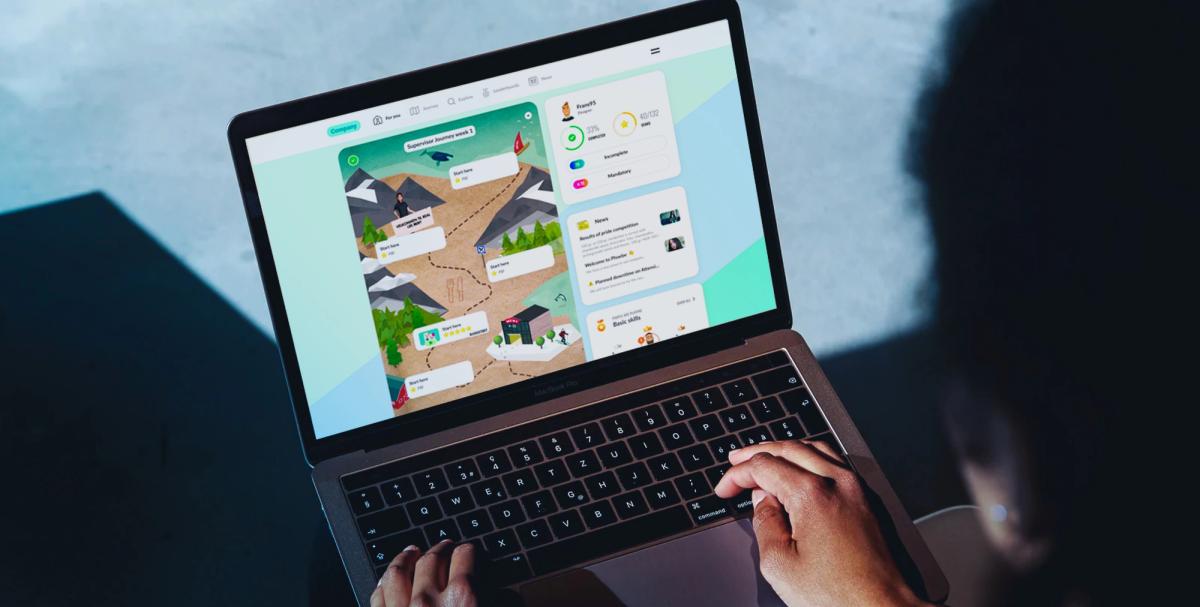
Get those four right, and failure becomes the fastest route to mastery — not something to avoid.
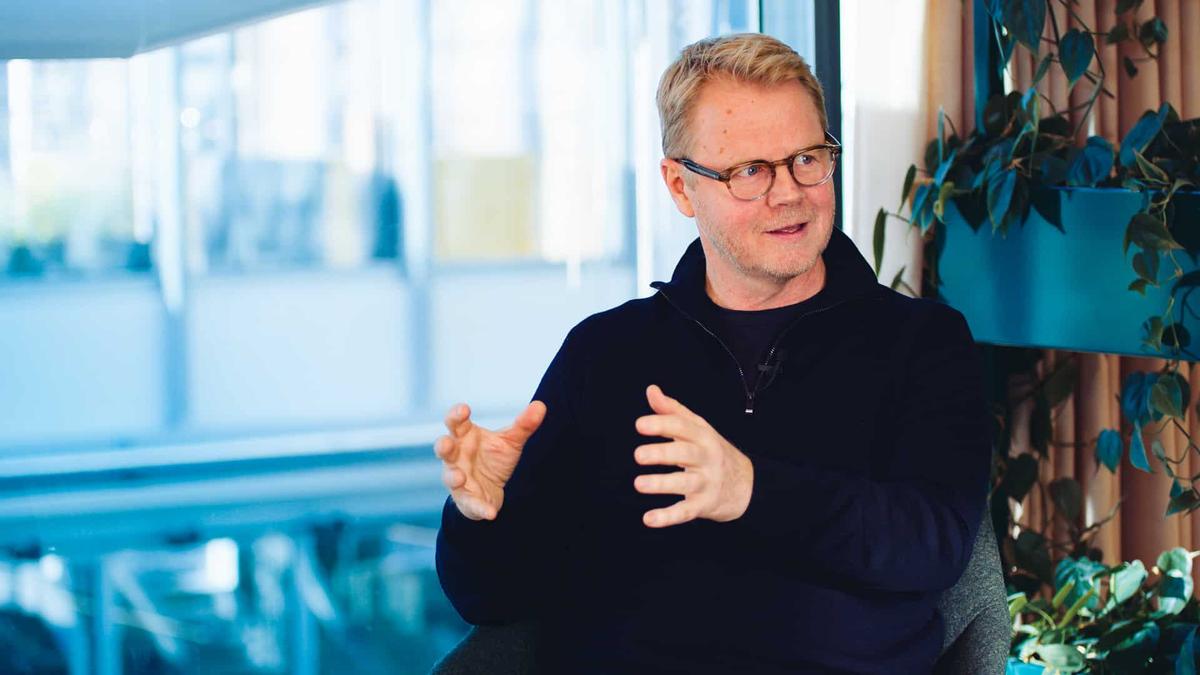
As Attensi co-CEO Trond Aas sums it up:
"Learning by failing is a great way to learn — as long as it's in a simulation and not in the real world."
The global gamification market is on track to triple to over $30 billion by 2025. As 5G, AR, VR and voice recognition mature, gamified simulations will only get more powerful and more accessible — a promising glimpse of the future of pharma L&D.
White PapersJune 5, 2026 · 3 min read
 White Papers
May 12, 2026 · 6 min read
 White Papers
April 20, 2026 · 5 min read
 White Papers
August 25, 2025 · 8 min read